“I am returning to you, ha ha! As I have always done. Each of you new and unique, yet somehow the same. Somehow, . . . we are me. Each time, we can get closer. You might have forgotten me but I will shock you into memory. I’m returning for you, sooner than you think!”
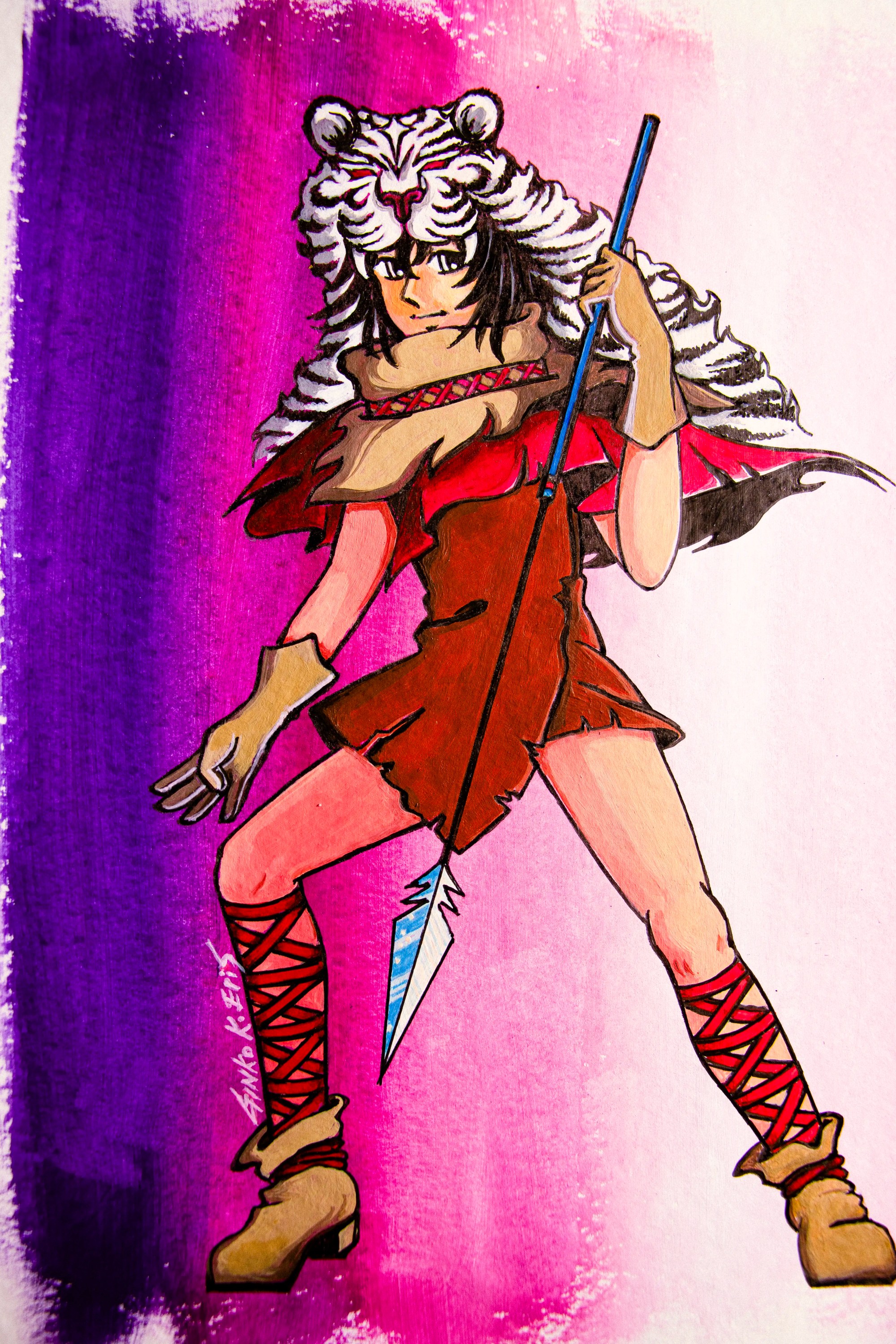
Raikō. He knows his name is unusual. Where did that come from? His parents aren’t Japanese, they’re of Italian heritage. He’s Australian. His mother gives him a fairy tale story about it, which he loved as a kid, and is surprised he’s always taken that for granted. He has many friends; none of them question his name and one even assumed it is an Italian name, haha (Leith and his band of dipshits do not count). His bedroom looks out over the Brisbane River. Its paint is old and crackling; maybe as old as the house, which must be at least of a hundred years. The house is full of nicknacks and heirlooms, including a bunch of stuff he hardly knows about, like that disgusting moth-eaten tiger pelt. Musical instruments are all over the place. As a young child he played cello, but somehow he transferred to percussion and drums. Now he sits, tattooing out paradiddles on a practice pad. Even as a child he was rhythmical and he could have played any instrument needing a strong sense of pulse (indeed, he plays a wide variety of instruments yet claims not to have any ability with them).
If he stares at the river, he can hear a faint thrumming pitch. Then he’ll jump up and go for a run, allowing a pulse to carry him. He enjoys the pulse more than the pitch. Sometimes he runs to school; grade twelve now and he doesn’t always need to be there first thing in the day. It depends on music rehearsal schedules, and rehearsals begin early.
Although he is not a morning person, he dutifully makes all his morning rehearsals. Yes, it’s orchestral music, and the Blister Mungle crew laugh when they see him in that context, but plenty of orchestral music is, frankly, better than a lot of pop. He skips many of his other classes. Today—a non-event day—he throws his sticks and pad into a mostly empty school backpack and begins the twenty-five minute run to the music building for a jam session, not bothering to register his several-hour-late arrival at Admin like he is supposed to. This will work in his favour later, when he will claim he arrived at 8:00 am, and will subtly suggest the problem lies with his home group teacher’s record keeping—Ms. Omote—and that will be plausible. He likes and respects Ms. Omote; she teaches him orchestral percussion, but he enjoys playing tricks on her. She’s funny and strict in equal measure, but gives Raiko plenty of leeway, for he practices more than anyone else.
“Shut up dickheads, let’s start, we’ve only got an hour,” says Dave. The gear in the band room is ready; a regular backline. Sam and Yuan probably set up the amps. The kit is as Raiko left it yesterday. California, the Bungle album, is coming up to 50 years old, but this band discovered it like they might as well have been listening in 1999, and it has affected their sound deeply, giving them a distinction from groups that tend to be 20s revivalists (and rendering his band stylistically uncategorisable). They’re in a second or third wave of “guitar music revival”. They called their band Blister Mungle; its members are no longer surprised to find almost no one gets the reference. These jams are purposeful, because the group believes ideas that percolate in these sessions might endow more structured compositions later. They launch into a seven-eight angular groove, which Dave, lead voice, has quite cleverly developed something resembling kecak, the Balinese monkey chant, though they first encountered it when listening to Bungle’s strange kecak appropriation within the last song of California.
Violent and grim, or action-packed like a monkey chant, it thrums, and Raiko can feel the pulse; not just the musical element but the inexplicable, internal, hand-tingling yellow-orange-black tremor, repeating like a rhythmical earthquake, that has always been there when he looks for it. This happens while he’s drumming with this group; not always but often; unsolicited. It happens other times too.
To be continued to Chapter 2-2.
「君たちのもとへ戻ってくるよ。はは、いつだってそうしてきた。
君たちは毎回違う。それぞれ新しく、別々の存在だ。
それなのに、どこか同じでもある。
なぜだろうね……僕たちは、僕たち自身なんだ。
回を重ねるたびに、少しずつ近づいている。
君たちは僕を忘れてしまったかもしれない。
でも、その記憶はきっと叩き起こしてみせる。
また君たちのもとへ戻ってくる。
思っているより、ずっと早く。」
雷虎(ライコー)。
自分の名前が珍しいことは知っていた。
いったいどこから来た名前なのだろう。
両親は日本人ではない。イタリア系だ。彼自身もオーストラリア生まれのオーストラリア人だった。
母はよく、その名前にまつわる古い物語を語ってくれた。子どもの頃のライコーは、その話が大好きだった。
今になって振り返ると、自分がそれらをあまりにも自然なこととして受け入れていたのが不思議だった。
友人も多かったし、名前について深く尋ねられることはほとんどなかった。イタリア系の名前だと思われることさえあった。
もちろん例外もいた。
リースのような連中や、その周囲に群がる不愉快な取り巻きたちだ。
彼の部屋の窓からはブリスベン川が見えた。
壁の塗装はひび割れ、家そのものと同じくらい古く見える。築百年は軽く超えていそうだった。
家には骨董品や家宝、そして由来をよく知らない品々があふれていた。
その中でも、彼が昔から苦手だったものがある。
虫食いだらけの虎の毛皮だ。
なぜか見るたびに落ち着かなくなる。
部屋には楽器も散乱していた。
子どもの頃はチェロを弾いていたが、いつしか打楽器へと興味が移った。
今では練習パッドの上でパラディドルを刻んでいる。
ライコーには昔からリズム感があった。
拍を力強く感じる楽器なら何でも向いていたかもしれない。
実際、いろいろな楽器を演奏した。
とはいえ、自分が特別才能のある人間だと思ったことはない。
川を長く見つめていると、ときどき微かな振動が聞こえることがあった。
そんなとき彼は急に立ち上がり、走り出したくなる。
身体の奥から響く鼓動に身を任せて。
彼は音程よりもリズムを愛していた。
気が向けば学校まで走ることさえある。
十二年生になった今、毎朝決まった時間に登校する必要はなかった。
リハーサルの予定次第だ。
音楽科の朝練は早い。
そしてライコーは朝が苦手だった。
それでも欠かさず顔を出した。
確かにオーケストラだ。
そして確かに、ブリスター・マングルの仲間たちはそんな彼を見て笑う。
だが正直なところ、世のポップミュージックの大半より優れたオーケストラ作品はいくらでもある。
その日も本来は何事もないはずの日だった。
スティックと練習パッドをほとんど空っぽのスクールバッグへ放り込み、ライコーは音楽棟まで二十五分走ることにした。
職員室へ遅刻の報告をする気などさらさらない。
もし後で問題になったら、八時には来ていたと言い張ればいい。
あるいは出席記録のミスかもしれませんね、と担任の表先生に責任をなすりつけるふりをしてみせてもいい。
それらしく聞こえるだろう。
もっとも、本気でそうするつもりはなかった。
彼は表先生が好きだった。
尊敬もしていた。
オーケストラ打楽器の指導者であり、ライコーが彼女の忍耐力を試すこともしばしばだったが、それでも信頼していた。
厳しいのに面白い。
面白いのに厳しい。
そして誰よりも練習する彼に、多くの自由を与えてくれていた。
「よし、始めようぜ。時間は一時間しかねえぞ」とデイヴが言う。
「おい、おめえら。始めるぞ。時間は一時間しかない」
デイヴが言った。
バンドルームにはいつもの機材が並んでいた。
アンプはたぶんサムとユアンが設置したのだろう。
ドラムセットも昨日ライコーが使った場所にほぼそのまま置かれている。
彼らにとって Mr. Bungle の『California』は、まるで最近発見された新譜のような存在だった。
実際には半世紀近く前の作品だというのに。
その影響はブリスター・マングルのあらゆる場所に染み込んでいた。
だから彼らの音楽は簡単なジャンル分けを拒む。
ギターミュージック復興の第二波か第三波か。
そう呼びたければ呼べばいい。
彼ら自身は気にしていなかった。
演奏が始まった。
七拍子と八拍子が入り混じる歪なグルーヴ。
その上で、ボーカルのデイヴが奇妙なコーラスを重ねる。
猿の合唱のようであり、どこかバリ島のケチャにも似ていた。
重たい。
激しい。
獣のような躍動感がある。
ライコーは拍を感じていた。
音楽としてだけではない。
もっと別の何かとして。
黄。
橙。
黒。
その三色の震えが、地震のようなリズムとなって身体を貫いていく。
探そうとすれば、いつもそこにある。
バンドで演奏しているとき、とくにそれは強かった。
そして今日、その鼓動はかつてなく大きくなろうとしていた。
第2章2へと続く。

