Memories of Stars Chapter 2-2

By far the strangest time was when he heard news of the so-called Kiedis Incident. The morning that hit his browser, he had felt a pulsation through his skin, as if something within him was pushing outwards, prickling his skin and left his fingertips ringing. The Chilli Peppers had, once again, vindictively attempted to curtail a Bungle show by pressuring the organisers.  Everyone, including the festival organisers, had considered this inappropriate and unfathomable, especially now that Kiedis was in his late seventies. When the giant chilli pepper prop had malfunctioned (some have said due to on-stage antics), fallen and tragically killed the Chilli Peppers’ lead mid-set, Mr Bungle had appeared unaffected and happily taken over the spot, perhaps even with increased verve. Their spontaneous, raucous cover of Suck My Kiss meant many onlookers would later reported disorientation.

Raikō is decidedly non-violent. In fact, he is generous and friendly by nature. But the pulse has something like an angry quality. Con fuoco, his dad would say. He doesn’t know what to do about this. He doesn’t know why he feels it in the first place, but even less why it stirs him; why he feels such a strong compulsion to either drum or run when it onsets.  Violence itself—him observing it happening—brings on the yellow-orange-black prickling, and he has occasionally had to consciously tamp it down. What would happen if he let it escalate?  He wants to ask Ms. Omote, because she has seen it begin. He never said anything to her, but he could tell she had noticed.  She had given him one of her significant, probing stares. Was that something like understanding that had been in her eyes? It had all gone unremarked, but she is the closet he has to someone he could confide in.

Avoiding violence feels entirely natural to Raiko.  He, Dave, Sam and Yuan have dealt with some recent bullying by laughing it off (this has been sufficient to diffuse the incidents until now).  They play hardcore music, but they are by nature gentle boys, and this is part of what has drawn them to each other.

After an hour of jamming, Sam and Yuan go back to some class or other, biology or physics or something (who knows). Raiko and Dave work on things for a while longer, before descending into politics and philosophy, which absorbs another hour. They are their own choir, pleasantly preaching at each other, or making jokes about the hopelessness of things.  They escape school, exceedingly early.  Musicking, philosophising and idling done, there is no reason to hang around.  More to the point, it gets them past the dipshit bottleneck. 

Well, that’s what they had hoped for. Both boys wince when they hear, from a way off, a drawled, ocker “ay dopey!”  Dave and Raiko stop chatting, and without looking at each other, march more resolutely down the road.  They realise they’re being followed when they hear unkind male giggling.  A high-pitched “nah, haha, don’t do it Lieth, haha,” is abruptly followed by a knock to Dave’s head; a stone of significant size bouncing to the footpath.  Dave falls to one knee and cries out, covering his head with both hands.  Raiko spins around.

“Leith, what the shit are you doing?”  The pitch at which Raiko shouts this is much higher than he’d hoped for.  Leith is accompanied by four of his henchmen.  Each a drawler; not a one interested in school; and it’s difficult to say why they’re ever around at all.  Ok, they’ve probably got tough home lives, with angry stepfathers or whatever, but Dave’s head is bleeding, and Raiko’s adrenaline is ramping up quickly.

“Ah so this is why you’ve not been around of an arvo.  Leaving early, haha.  You weak cucks.”

Dave is in a bit of shock, but somehow still quippy, and in a cracking voice he replies, “Leith, all this waiting around after school. . .  if you have a crush on me just send me a dick pic.”

Leith’s confederates hoot with laughter, spurring Leith into action.  He winds up and kicks at Dave, who in his kneeling position receives the blow in the shin supporting his weight, and he collapses to the stoney path. Reiko is paralysed by appal: unable to move to Dave or confront Leith, and can’t take his eyes from Dave’s pale face, who has contorted into something foetal; a hand over each injury.  Leith spits at Dave.

“You weak cuck.”

He paces around, giving an impression that he is considering another attack.

Dave has, on occasions past, unwittingly humiliated Leith. Those situations usually involved girls. Dave with girls is, under normal circumstances, a wonderous thing to behold. He has eyes like blue pools; dark hair with waves that sits just right; he is lanky; funny; and he even smells good. Girls cluster and melt. To be sure, he is a weirdo (he chants hardcore kecak, for instance), but this is not the first thing most girls notice (that he doesn’t have a girlfriend is testament to an eventual second stage of familiarity, wherein many girls find his quirks and obsessiveness to be a significant charisma penalty mod).

Leith, in the vicinity of Dave during an impressive first-stage girl interaction, could be said to be in the wrong place at the wrong time. Leith is one of those boys who might have been physically attractive if not for a metaphysical repulsiveness so acute that it visibly impacts his material features; face grooved by a chronically repugnant disposition.  Leith, like many boys, occasionally fancies girls, but has no idea what to do with those feelings.  Leith is very concerned with projecting a tough or threatening presence, is as vulnerable to a crush as anyone, yet much less capable of acting upon it, or indeed being even a little introspective about this state. 

More than once, these undertones have gone wholly unnoticed by Dave, including his effect on the girl in question and the result for Leith.  Currently, as well as being shocked and injured, Dave is bewildered about his assailant’s motivation. Both Mungles are continually bewildered by Leith. But past episodes have never been this physically violent and confronting, and it is this detail which now causes a problem for Raiko.


Perhaps at the core of all Leith’s problems in life are significant deficiencies with introspection and foresight.  If Leith had any capacity to admit things about his intentions (he does not), he’d confess that he had intended the stone to miss Dave’s head. There is a dissonance here, for Leith’s successes are rare, and he has become compulsive about taking credit that is not his due.  His subsequent kick upon Dave was to frame this episode as a complete success.

But it is not a success, as it possesses negative consequences for Leith. Tussles between schoolboys surely happen all over the world, perhaps continuously.  But Leith, his followers, Dave, and Raiko were not to know that this particular tussle, for complex and archaic reasons, is a tightening of unseen threads in the universe.

Planets, oceans, and to an increasingly significant extent, germs, trees, animals and humans can be considered as miniscule, infrequent twists or knots in what is otherwise a tremendously smooth, plain, sparse fabric—the cosmos.  When considered as such, these little convolutions—be they icebergs, microbes, or humans—can be considered as fundamentally related and bonded; threads in a tapestry.  Because the fabric is vast, a trillion schoolboy scuffles might never amount to a ripple in this fabric.  But a single instance, rather than causal, may instead be a manifestation of a subtly shifting cosmic thread: a shift already in motion – a shift that the tussle does not cause, but expresses.

Abruptly, Raiko’s fingertips are ringing, and his vision is pulsing in black, yellow and orange.  The pulse resounds more strongly than ever before; his confusion at the violent scenario melds with a more general confusion produced by the internal pounding. In this state he lurches toward Leith. It may be a belated impulse to protect his friend. But, being Raiko, he’d not have moved an inch if he’d given it any thought, partly because his adversary is a few meters distant, and might be adequately prepared for confrontation.  Something absurd happens as he covers the distance to Leith. The world around him is tinged with bright orange flame. He hears an intense, rapid, low drumming, like a hundred taikos.  He thinks he is, somehow, making that sound with his throat. His arms and legs become like giant iron springs.  He feels himself grow long. He has leapt from the ground. All this in an instant.

Raiko’s front limbs strike Leith at chest level, and Leith’s mass seems no greater than a basketball.  Raiko is vaguely aware that he is, somehow, reserved in his attack. Still, Leith is boosted entirely off the ground and pitched backward, perhaps eight or ten meters. He slams back-first into a school building’s concrete wall, and he slides to the ground, ragdoll-like. Raiko spins. He does not strike at the four remaining bullies, yet it feels like his motion creates an explosive gust of air, which lifts each of them from their feet and propels them backward; they then stumble and fall.  All four, with a bewildered terror across each face, immediately scramble up and away, to sprint in the opposite direction of their assailant, with not a moment’s hesitation to consider Leith’s plight.

Badly hurt as he is, Dave’s visage is sheer astonishment and dismay.  He has contracted into a tighter curl, with both fisted hands pressed against the lower part of his face.  There is white all the way around his irises.  Suddenly, Raiko finds his front limbs to be arms again, and is too disoriented to interrogate the ramifications of that.  Dave shouts his name, with a dash of expletives. Still befuddled, Raiko moves to Dave, crouching to offer care.  But Dave is terrified and speechless, with tears now forming, as he too scrambles, using his better leg to push himself away from Raiko.  Raiko raises his palms to Dave, and might be saying something like, “Dave, are you ok?”

“Raiko, go away, please!”

“Dave, I don’t. . . I’m not. . .”
“Raiko please don’t come near me.”

Raiko recedes a little, taken aback by the fear in his friend’s eyes. He is rocked by the intensity of the last few minutes, and thinks he might be in shock.  The pulse is still hammering; down from the intensity it reached, but absolutely still present.  He doesn’t know what to do.  He slowly rises.
“Dave, I don’t know what happened. I want to help you but I am afraid.  I think you’re ok, so I’m going to get help and I’ll come back.”

Dave’s eyes are locked on him and his jaw is clenched. Unable to think of an alternative, Raiko turns and runs.

Finding help seems like a strong option, but as he runs the hammering pulse increases. Yellow, orange and black flashes.  He runs faster, perhaps to get past this state through physical enervation. Yet the drumming grows ever stronger, even as he increases his pace to an all-out sprint.  He notices a point at which tamping down the outburst is no longer possible. Again, something absurd is happening. 

To be continued to Chapter 2-3.


最近の出来事の中でも、とりわけ奇妙だったものを、彼はひそかに「キーディス事件」と呼んでいた。

その朝、そのニュースがブラウザに表示された瞬間、彼は皮膚の下を何かが脈打ちながら走るのを感じた。まるで体の奥に潜んでいる何かが、無理やり外へ出ようとしているかのようだった。

指先が鳴る。

肌がひりつく。

どうやらレッド・ホット・チリ・ペッパーズが、またしてもプロモーターに圧力をかけ、Mr. Bungle の公演を妨害しようとしていたらしい。

ライコーの知るかぎり、その行為を適切だと思う者も、理解できると言う者もいなかった。まして当事者全員がいい加減な年齢になっていることを考えれば、なおさらだった。

そしてチリ・ペッパーズのステージで、ばかばかしい事故が悲劇へと発展したあと、Mr. Bungle は平然と代役を務め、その混乱さえも力に変えてしまったように見えた。その後の騒々しいカバー演奏は、観客の多くを深く困惑させたという。

ライコーは暴力的な人間ではなかった。

むしろ気前が良く、親しみやすい性格だった。

だが、その脈動には怒りが混じっていた。

con fuoco

かつて父はそう呼んだ。

「炎をもって」。

ライコーには、それをどう扱えばいいのかわからなかった。そもそもなぜそんな感覚を抱くのかもわからないし、それがなぜこれほど自分を不安にさせるのかもわからない。その脈動が強まるたびに、何かを殴りつけたい衝動や、どこかへ全力で走り出したい衝動が押し寄せてくる。

暴力そのものを目撃しただけで、あの黄と橙と黒のひりつきが現れることもあった。そして彼は時折、それを意識して抑え込まなければならなかった。

もしあの感覚がさらに高まり続けたら。

一体何が起きるのだろう。

ライコーは表先生に相談したいと思ったことがあった。

先生は以前、一度だけそれが始まる瞬間を目撃している。

彼は何も言わなかったが、先生が気付いていたことは知っていた。

先生は深く探るような眼差しを向けてきた。

あれは理解に近いものだったのだろうか。

結局、その瞬間は何事もなく過ぎ去った。

それでも先生は、ライコーが最も打ち明けてみたいと思う相手だった。

暴力を避けること自体は、彼にとって自然なことだった。

この一年間、ライコーとデイヴ、サム、ユアンは、自分たちに向けられる嫌がらせを笑い飛ばしながらやり過ごしてきた。そして今のところ、それで十分だった。

彼らは攻撃的な音楽を演奏していたが、本質的には優しい少年たちだった。

そして、その優しさこそが彼らを結びつけているものでもあった。


一時間ほどジャムセッションを続けたあと、サムとユアンは生物だか物理だか、自分たちが本来出席するべき授業へ戻っていった。

まあ、どちらでもよかった。

ライコーとデイヴはもう少し演奏を続け、それから政治や哲学の話になり、心地よい議論に夢中になってさらに一時間を失った。

どうしようもない世界について冗談を飛ばしながら、お互いに説教めいた意見を語り合う。

二人だけの小さな合唱団のような時間だった。

二人はかなり早い時間に学校を出た。

音楽と哲学と怠惰が十分に満たされた以上、残る理由は特になかった。

それに何より、早く帰れば例の連中と遭遇する可能性が減る。

少なくとも、そのはずだった。


「おーい、のろま!」

間延びしたオーストラリア訛りの声が遠くから飛んできた。

二人は顔をしかめた。

互いに視線を交わすこともなく、そのまま歩調を少し強める。

次の瞬間、少年たちの嘲笑が聞こえた。

そして自分たちが後をつけられていることに気付く。

甲高い声が叫んだ。

「やめとけって、リース! あはは!」

直後、石がデイヴの頭に当たった。

かなり大きな石だった。

石は地面で跳ねた。

デイヴは悲鳴を上げ、片膝をつき、両手で頭を押さえた。

ライコーは振り返る。

「リース、何やってるんだよ!」

思ったより高い声が出た。

リースの後ろには四人の少年がいた。

全員どこか気の抜けた話し方をする連中だった。学校になどほとんど興味がなく、それ以外のことにも大して興味がなさそうな連中だ。

荒れた家庭環境や怒鳴る継父の存在など、いくらでも説明はつけられるかもしれない。

だがデイヴは出血していた。

そしてライコーのアドレナリンは、そんなことを気にしていられないほど急上昇していた。

「なるほどな。だから今日の午後見なかったのか。早退してたわけだ。弱虫どもらしいな」

頭を押さえたまま、デイヴが乾いた声で答えた。

「リース、お前ずっと待ってたの? そんなに執着してるなら認めればいいのに」

取り巻きたちは大笑いした。

リースは勢いづいた。

そしてデイヴの支えになっていた方の脚のすねを思い切り蹴りつけた。

デイヴは石畳の上へ崩れ落ちる。

ライコーは恐怖で固まった。

デイヴのもとへ駆け寄ることもできない。

リースに向かっていくこともできない。

ただ見つめるしかなかった。

痛みに身を丸めた友人の青白い顔を。

リースは唾を吐いた。

「弱ぇな」

そして獲物を見定める獣のように、その周囲をうろついた。


デイヴはこれまで何度もリースの面目を潰してきた。

もちろん故意ではない。

たいていの場合、その中心には女の子がいた。

デイヴは女の子相手になるとなぜか強かった。

青いプールのような瞳。

ほどよく波打つ黒髪。

細身の体格。

面白く、人当たりも良く、しかも良い匂いがした。

女の子たちは自然と彼の周囲に集まり、少しだけ夢中になる。

もちろん彼は変わり者だった。たとえばハードコアなケチャを鼻歌で歌っていたりする。

だが、その奇妙さは最初から見抜けるものではない。

実際のところ彼女がいない事実は、多くの女の子たちが最初の魅力に惹かれたあと、彼の執着や変人ぶりに気付き、評価を少し下方修正した結果なのかもしれなかった。

一方のリースは、そんな場面でデイヴの隣に立つと、まるで人生のタイミングを間違えてしまった人間のように見えた。

仮に別の環境であれば容姿は悪くなかったのかもしれない。

しかし彼には形而上学的とでも言うべき不快さがまとわりついていて、それが顔立ちそのものを変えているように見えた。

慢性的な恨みを抱えている人間の表情だった。


そのときだった。

突然、ライコーの指先が鳴った。

視界が黒と黄と橙に脈打つ。

鼓動はかつてないほど強くなっていた。

目の前の暴力への困惑と、内側で荒れ狂う何かへの困惑がひとつに溶け合う。

その状態のまま、ライコーはリースへ向かって突進した。

おそらくは友人を守ろうとする遅れた衝動だった。

本来の彼なら、少しでも考え込めば動けなかっただろう。

相手は数メートル先にいて、戦う気満々だったかもしれない。

だが距離を詰める途中で、とんでもなく馬鹿げたことが起こった。

世界が鮮やかな橙色の炎に包まれた。

百の太鼓が一斉に鳴るような激しい低音が響く。

その音は自分自身の喉から発せられているようにも思えた。

腕と脚が巨大な鉄のばねになる。

身体が伸びていく感覚。

そして彼は地面を離れた。

すべては一瞬だった。

前脚がリースの胸を打ち抜く。

その身体はバスケットボールほどの重さしかないように感じられた。

どこかで自分が力を抑えていることもぼんやり理解していた。

それでもリースは完全に宙へ浮き、八メートルか十メートルは吹き飛ばされた。

背中から校舎のコンクリート壁に叩きつけられ、そのまま人形のようにずり落ちる。

ライコーは回転した。

残る四人には直接触れていない。

だが、その動きによって生じた爆発的な突風が彼らを足元から吹き飛ばした。

少年たちは転がり、顔面を恐怖で引きつらせる。

そしてリースの安否など振り返ることもなく逃げ去った。


デイヴの傷だらけの顔には、衝撃と恐怖が浮かんでいた。

ライコーは助けようと近付く。

だがデイヴは怯えたように後ずさった。

涙が浮かんでいる。

「ライコー、離れてくれ。頼む」

「デイヴ、大丈夫か?」

「お願いだ。これ以上近付くな」

ライコーは両手を開いて立ち止まった。

友人の目に浮かぶ恐怖を見て、心が凍りつく。

先ほどの数分間はあまりにも異常だった。

それでも鼓動はまだ続いている。

黒。

黄。

橙。

どうしていいかわからない。

やがて彼はゆっくり立ち上がった。

「デイヴ。何が起きたのか僕にもわからない。でも助けを呼んで戻ってくる」

デイヴは答えなかった。

ただ彼を見つめ続けていた。

ライコーは走り出す。

助けを呼ぶこと。

それが唯一まともな選択肢に思えた。

だが走るほどに鼓動は強くなる。

黄。

橙。

黒。

全力疾走しても収まらない。

疲れ果てれば終わるかもしれないと願ったが、それでも太鼓のような鼓動は鳴り続けた。

彼はただ狂気から逃げるために走った。

そしてある瞬間、理解する。

もう、この衝動を抑え込むことはできない。

そして再び。

とてつもなく馬鹿げたことが起きた。


第2章3へ続く。

Memories of Stars – Chapter 2-1

“I am returning to you, ha ha! As I have always done. Each of you new and unique, yet somehow the same.  Somehow, . . . we are me. Each time, we can get closer. You might have forgotten me but I will shock you into memory. I’m returning for you, sooner than you think!”

Raikō.  He knows his name is unusual.  Where did that come from?  His parents aren’t Japanese, they’re of Italian heritage.  He’s Australian. His mother gives him a fairy tale story about it, which he loved as a kid, and is surprised he’s always taken that for granted. He has many friends; none of them question his name and one even assumed it is an Italian name, haha (Leith and his band of dipshits do not count). His bedroom looks out over the Brisbane River.  Its paint is old and crackling; maybe as old as the house, which must be at least of a hundred years. The house is full of nicknacks and heirlooms, including a bunch of stuff he hardly knows about, like that disgusting moth-eaten tiger pelt. Musical instruments are all over the place. As a young child he played cello, but somehow he transferred to percussion and drums.  Now he sits, tattooing out paradiddles on a practice pad.  Even as a child he was rhythmical and he could have played any instrument needing a strong sense of pulse (indeed, he plays a wide variety of instruments yet claims not to have any ability with them).

If he stares at the river, he can hear a faint thrumming pitch.  Then he’ll jump up and go for a run, allowing a pulse to carry him. He enjoys the pulse more than the pitch. Sometimes he runs to school; grade twelve now and he doesn’t always need to be there first thing in the day.  It depends on music rehearsal schedules, and rehearsals begin early.

Although he is not a morning person, he dutifully makes all his morning rehearsals. Yes, it’s orchestral music, and the Blister Mungle crew laugh when they see him in that context, but plenty of orchestral music is, frankly, better than a lot of pop.  He skips many of his other classes. Today—a non-event day—he throws his sticks and pad into a mostly empty school backpack and begins the twenty-five minute run to the music building for a jam session, not bothering to register his several-hour-late arrival at Admin like he is supposed to.  This will work in his favour later, when he will claim he arrived at 8:00 am, and will subtly suggest the problem lies with his home group teacher’s record keeping—Ms. Omote—and that will be plausible. He likes and respects Ms. Omote; she teaches him orchestral percussion, but he enjoys playing tricks on her.  She’s funny and strict in equal measure, but gives Raiko plenty of leeway, for he practices more than anyone else.

“Shut up dickheads, let’s start, we’ve only got an hour,” says Dave. The gear in the band room is ready; a regular backline.  Sam and Yuan probably set up the amps.  The kit is as Raiko left it yesterday. California, the Bungle album, is coming up to 50 years old, but this band discovered it like they might as well have been listening in 1999, and it has affected their sound deeply, giving them a distinction from groups that tend to be 20s revivalists (and rendering his band stylistically uncategorisable). They’re in a second or third wave of “guitar music revival”. They called their band Blister Mungle; its members are no longer surprised to find almost no one gets the reference. These jams are purposeful, because the group believes ideas that percolate in these sessions might endow more structured compositions later.  They launch into a seven-eight angular groove, which Dave, lead voice, has quite cleverly developed something resembling kecak, the Balinese monkey chant, though they first encountered it when listening to Bungle’s strange kecak appropriation within the last song of California.

Violent and grim, or action-packed like a monkey chant, it thrums, and Raiko can feel the pulse; not just the musical element but the inexplicable, internal, hand-tingling yellow-orange-black tremor, repeating like a rhythmical earthquake, that has always been there when he looks for it.  This happens while he’s drumming with this group; not always but often; unsolicited.  It happens other times too.

To be continued to Chapter 2-2.


「君たちのもとへ戻ってくるよ。はは、いつだってそうしてきた。

君たちは毎回違う。それぞれ新しく、別々の存在だ。

それなのに、どこか同じでもある。

なぜだろうね……僕たちは、僕たち自身なんだ。

回を重ねるたびに、少しずつ近づいている。

君たちは僕を忘れてしまったかもしれない。

でも、その記憶はきっと叩き起こしてみせる。

また君たちのもとへ戻ってくる。

思っているより、ずっと早く。」

雷虎(ライコー)。
自分の名前が珍しいことは知っていた。

いったいどこから来た名前なのだろう。

両親は日本人ではない。イタリア系だ。彼自身もオーストラリア生まれのオーストラリア人だった。

母はよく、その名前にまつわる古い物語を語ってくれた。子どもの頃のライコーは、その話が大好きだった。

今になって振り返ると、自分がそれらをあまりにも自然なこととして受け入れていたのが不思議だった。

友人も多かったし、名前について深く尋ねられることはほとんどなかった。イタリア系の名前だと思われることさえあった。

もちろん例外もいた。

リースのような連中や、その周囲に群がる不愉快な取り巻きたちだ。


彼の部屋の窓からはブリスベン川が見えた。

壁の塗装はひび割れ、家そのものと同じくらい古く見える。築百年は軽く超えていそうだった。

家には骨董品や家宝、そして由来をよく知らない品々があふれていた。

その中でも、彼が昔から苦手だったものがある。

虫食いだらけの虎の毛皮だ。

なぜか見るたびに落ち着かなくなる。

部屋には楽器も散乱していた。

子どもの頃はチェロを弾いていたが、いつしか打楽器へと興味が移った。

今では練習パッドの上でパラディドルを刻んでいる。

ライコーには昔からリズム感があった。

拍を力強く感じる楽器なら何でも向いていたかもしれない。

実際、いろいろな楽器を演奏した。

とはいえ、自分が特別才能のある人間だと思ったことはない。


川を長く見つめていると、ときどき微かな振動が聞こえることがあった。

そんなとき彼は急に立ち上がり、走り出したくなる。

身体の奥から響く鼓動に身を任せて。

彼は音程よりもリズムを愛していた。

気が向けば学校まで走ることさえある。

十二年生になった今、毎朝決まった時間に登校する必要はなかった。

リハーサルの予定次第だ。

音楽科の朝練は早い。

そしてライコーは朝が苦手だった。

それでも欠かさず顔を出した。

確かにオーケストラだ。

そして確かに、ブリスター・マングルの仲間たちはそんな彼を見て笑う。

だが正直なところ、世のポップミュージックの大半より優れたオーケストラ作品はいくらでもある。


その日も本来は何事もないはずの日だった。

スティックと練習パッドをほとんど空っぽのスクールバッグへ放り込み、ライコーは音楽棟まで二十五分走ることにした。

職員室へ遅刻の報告をする気などさらさらない。

もし後で問題になったら、八時には来ていたと言い張ればいい。

あるいは出席記録のミスかもしれませんね、と担任の表先生に責任をなすりつけるふりをしてみせてもいい。

それらしく聞こえるだろう。

もっとも、本気でそうするつもりはなかった。

彼は表先生が好きだった。

尊敬もしていた。

オーケストラ打楽器の指導者であり、ライコーが彼女の忍耐力を試すこともしばしばだったが、それでも信頼していた。

厳しいのに面白い。

面白いのに厳しい。

そして誰よりも練習する彼に、多くの自由を与えてくれていた。

「よし、始めようぜ。時間は一時間しかねえぞ」とデイヴが言う。


「おい、おめえら。始めるぞ。時間は一時間しかない」

デイヴが言った。

バンドルームにはいつもの機材が並んでいた。

アンプはたぶんサムとユアンが設置したのだろう。

ドラムセットも昨日ライコーが使った場所にほぼそのまま置かれている。

彼らにとって Mr. Bungle の『California』は、まるで最近発見された新譜のような存在だった。

実際には半世紀近く前の作品だというのに。

その影響はブリスター・マングルのあらゆる場所に染み込んでいた。

だから彼らの音楽は簡単なジャンル分けを拒む。

ギターミュージック復興の第二波か第三波か。

そう呼びたければ呼べばいい。

彼ら自身は気にしていなかった。


演奏が始まった。

七拍子と八拍子が入り混じる歪なグルーヴ。

その上で、ボーカルのデイヴが奇妙なコーラスを重ねる。

猿の合唱のようであり、どこかバリ島のケチャにも似ていた。

重たい。

激しい。

獣のような躍動感がある。

ライコーは拍を感じていた。

音楽としてだけではない。

もっと別の何かとして。

黄。

橙。

黒。

その三色の震えが、地震のようなリズムとなって身体を貫いていく。

探そうとすれば、いつもそこにある。

バンドで演奏しているとき、とくにそれは強かった。


そして今日、その鼓動はかつてなく大きくなろうとしていた。

第2章2へと続く。

Memories of Stars Chapter 1-2

For a year, she has aided the first-years in kihon and waza, kendo’s basic elements and drills. Akemi-sensei is deeply respected by all club members, but is renowned for her light touch, and the mood in the club is rarely austere. Sensei delegates successfully, and has quietly appreciated Kokurō’s rapid ascent. Kokurō learned that Akemi-sensei’s sternness was mock.  There were the perpetual but ever-changing “homework” assignments: “devise a haiku reflecting the difficulties of this afternoon’s training,” on a day when a bluejay invaded the dōjō. Today, sensei works alongside Kokurō and Yuzuki as they move through half an hour of basics.

When it’s time for ji geiko—free sparing—Sensei takes the first-years (allowing them to attack, and to be struck, often by her), and like many times over the last year, Yuzuki practices with Kokurō. Yuzuki is serious, and kendo means something quite different to her. Kokurō is not sure what that meaning is, but knows not to trifle with Yuzuki during ji geiko.

Yuzuki is never intentionally intimidating or oppressive, but after hundreds of bouts, has never shown a lapse in concentration.  And Kokurō expects that the note would not manifest otherwise. Today, as they face off, with the tips of the shinai touching, attacking imminent, poised, at a fermata (arigato, Tomu-sensei), Kokurō is momentarily distracted.  Yuzuki moves instantly, with a trio of strikes, having cried, “men!” (head), followed by a solid “kiai” as the blows impact. Kokurō steps back respectfully and nods, acknowledging, “hai.”  Tension is momentarily released, yet the note pulses, seeming to increase in strength.  It was ozone—just a cold, sharp trace—enough to cause Kokurō to pause most subtly, which, nonetheless, Yuzuki preternaturally, characteristically noticed.  Kokurō thinks, “. . . this is . . .wait, no. . .,” becoming aware that the smell is familiar.

They reset. Even through the face armour Kokurō reads Yuzuki’s eyes, which show bemusement or slight annoyance. Kokurō knows that kendo is to strike, and to be struck, so quickly she attacks.  In kendo, a flurry of critical activity might take only moments. In less than a second, Yuzuki evaded and counter-struck, followed by Kokurō’s uke-waza, deflecting with the tip of the shinai, pushing forward yet again: three chapters of action in an instant. Kokurō is abruptly hit with an overwhelming sense of déjà vu, causing her to pause yet again.  Without hesitation Yuzuki punishes the lapse with two decisive men strokes, then slows, sensing Kokurō’s continued hesitation.

“Kokurō, can you concentrate?” she asks, with no real rancour just yet.  The note pulses; Kokurō’s fingers tingle. She looks to Yuzuki, and the air mirages slightly in her peripheral vision. She doesn’t want to acknowledge the phenomena.

“Hai.” Kokurō nods.  She attacks.  A wave of pedalpoint matches the uchi, and the microseconds are stretched; her vision blurs at its edges.  Her cry of “kiai” elongates in time, its pitch matching and integrating with the note. Ozone sharpness strikes her senses; her eyes tear up.  Yuzuki is visibly surprised, her eyes snapping wide, and she leaps backward; her training permits an almost instantaneous physical reaction. Kokurō feels something dangerous happening and instinctively pushes it down, throwing her entire mental weight on top of the upswelling.  She collapses to her knees with her shinai clattering on the ground.

Yuzuki, of impeccable training, always fast, pads immediately to Kokurō, dropping into a kneeling position in front of her.  She finds Kokurō’s eyes with hers.

“Kokurō? Daijōbu ka?”

Kukoro’s vision pulses along with the note, but she can reply,

“Gomen.”  She pauses, then,

“I am light-headed. I will take a short break.”

The first-years have already politely looked away, and a couple of senpai avert their gaze as Akemi-sensei gestures for practice to continue, making her way over to the pair. Undramatically, she kneels beside Yuzuki, facing Kokurō, then proficiently removes Kokurō’s helmet.

“You pushed too hard?” asks Sensei.

“Hai. . . daijōbu desu,” Kokurō replies.

“That’s unlike you, Kokurō.  You probably are ok, but take a break and drink some water.  Yuzuki, please accompany her. When you’re feeling better, return to some lighter training.  Tell me later why you’re pushing so hard, on such an ordinary day.”  Sensei stands, without fuss, and returns to the first-years.

In an anterior room, Yuzuki sits with Kokurō.

“Kokurō. I saw something.  In your face, or your body.  I. . .”  she pauses.

“I am just a bit faint today; I’m sorry, Yuzuki-chan,” Kokurō replies.

Yuzuki looks at her hands in her lap.  “Pardon me, but I cannot account for what I saw with mere faintness. It was as if, . . . as if. . .” again Yuzuki pauses before continuing, “you are the faint one, yet it is me who saw something strange.  I’m a rationalist. . . this doesn’t make sense.  I think I need to wrap up training early today.”

Kokurō’s sense of foreboding is growing, and wonders about a breach of trust with Yuzuki.  She says,
“Yuzuki, thank you for so rapidly coming to my aid.  I think I might have scared you, yet you came instantly.  I appreciate that.” 

Neither of them return to training, and offer Kokurō’s faintness as a cause, to Akemi-sensei.

To be continued in Chapter 2.


一年の間、コクロウは一年生たちに基本や技を教えてきた。

明美先生は部員全員から尊敬されている。

けれども、その指導は温かく穏やかだ。

道場が息苦しいほど厳格になることは滅多にない。

人に任せることが上手く、コクロウの急速な成長も静かに評価していた。

やがてコクロウは知る。

先生の厳しさの一部は演出だったのだと。

先生はよく奇妙な宿題を出した。

ある日、アオカケスが道場へ迷い込んだ時の課題は、

「今日の稽古の苦労を俳句にしなさい」

だった。

そして今日も。

明美先生はコクロウやユズキと共に三十分間の基本稽古を行っていた。


地稽古の時間になると、明美先生は一年生たちを受け持った。自ら打たせ、そして容赦なく打たれながら、実戦の感覚を教えていく。

そしてこの一年、何度も繰り返されてきたように、ユズキの相手はコクロウだった。

ユズキにとって剣道は特別な意味を持っている。

それがどのような意味なのか、コクロウにははっきり分からない。

ただ一つだけ分かっていることがある。

地稽古の最中に、ユズキを相手に軽い気持ちで臨んではならないということだ。

ユズキは威圧的でもなければ高圧的でもない。

だが、数え切れないほどの立ち合いの中で、彼女は一度たりとも集中を切らしたことがなかった。

そしてコクロウは思う。

もしユズキがそうでなかったなら、あの「音」もまた現れないだろう、と。

今日も二人は向かい合う。

竹刀の先が軽く触れ合う。

次の瞬間には攻防が始まる。

張り詰めた静止。

まるでフェルマータ。(ありがとう、トム先生。)

そんなことを一瞬思った時だった。

コクロウの意識がわずかに逸れる。

その隙を、ユズキは逃がさなかった。

「メン!」

鋭い声とともに三連撃。

気合とともに打突が決まる。

コクロウは一歩下がり、礼を込めてうなずいた。

「はい」

緊張がいったんほどける。

だが保続音は鳴り続けていた。

いや。

むしろ強くなっている。

原因はオゾンの匂いだった。

冷たく鋭い、かすかな匂い。

それだけのことなのに、コクロウはほんの一瞬ためらった。

そしてその一瞬を、ユズキはいつものように見逃さなかった。

――この匂い……。

――待って。

――違う。

いや、違わない。

知っている。

どこかで嗅いだことがある。

二人は再び構える。

面の格子越しでも、コクロウにはユズキの目が見えた。

呆れにも似た表情。

あるいは、わずかな苛立ち。

剣道とは打つことであり、打たれることである。

コクロウは迷いを振り払うように前へ出た。

激しい攻防は一秒にも満たない。

ユズキはかわし、打ち返す。

コクロウは受け技でそれを流し、そのまま踏み込む。

ほんの刹那の間に三章分の出来事が駆け抜けた。

その瞬間だった。

圧倒的な既視感がコクロウを襲う。

体が止まる。

迷いが生じる。

ユズキは容赦なくその隙を打った。

二本の鮮やかな面。

そしてコクロウの異変を察したのか、少し距離を取る。

「コクロウ。集中できる?」

声に怒りはない。

だが明らかな問いかけだった。

保続音が脈打つ。

指先がしびれる。

視界の端で空気がゆらめいて見える。

認めたくない。

何も起きていないと思いたい。

「はい」

コクロウはうなずいた。

そして踏み込む。

打突の瞬間。

巨大な保続音の波が押し寄せた。

時間が引き伸ばされる。

視界の周囲がぼやけていく。

自分の気合が異様に長く響き、その高さが保続音と重なっていく。

鋭いオゾン臭。

目には涙がにじむ。

ユズキの目が大きく見開かれた。

彼女は驚いている。

いや、警戒している。

ほとんど反射のような速さで後方へ跳んだ。

その瞬間、コクロウは悟った。

何か危険なことが起きている。

本能的に、それを押さえ込む。

心の重みをすべて使って、内側から湧き上がるものを押し潰す。

そして。

膝から崩れ落ちた。

竹刀が床に落ちて乾いた音を立てる。

ユズキは即座に駆け寄った。

長年の鍛錬による動きだった。

迷いがない。

コクロウの前に膝をつき、彼女の顔をのぞき込む。

「コクロウ? 大丈夫か?」

視界は保続音の脈動とともに揺れている。

それでも答えることはできた。

「ごめん……」

少し息を整え、

「少し立ちくらみがしただけ。休めば大丈夫だから」

一年生たちは気を遣って視線を外していた。

上級生たちも同様だった。

明美先生が稽古を続けるよう合図しながら、二人のもとへ歩いてくる。

先生は静かに膝をつき、コクロウの面を外した。

「無理をしたの?」

「はい……でも大丈夫です」

先生は少し首をかしげる。

「あなたらしくないわね。たぶん平気でしょうけど、水を飲んで少し休みなさい」

それからユズキへ向き直る。

「ユズキ、一緒についていてあげて。落ち着いたら軽い稽古だけにしておきなさい」

そして微笑む。

「あとで教えてね。こんな普通の日に、どうしてそんなに頑張りすぎたのか」

それだけ言うと、先生は何事もなかったかのように一年生たちの指導へ戻っていった。


前室で、二人は並んで座っていた。

しばらく沈黙が続く。

やがてユズキが口を開く。

「コクロウ。私、何かを見た」

言葉を探すように視線を落とす。

「あなたの顔だったのか、体だったのか分からない。でも……」

そこで言葉が止まる。

コクロウは無理に笑った。

「ただ少し貧血気味だっただけだよ。ごめんね、ユズキちゃん」

ユズキは膝の上の手を見つめていた。

「失礼かもしれないけど、それだけでは説明できない」

静かな声だった。

「まるで……」

再び沈黙。

「まるで、何か別のものを見たみたいだった」

コクロウは何も言えない。

ユズキは続けた。

「体調を崩したのはあなたなのに、おかしいのは私のほうみたい」

小さく首を振る。

「私は合理主義者よ。こういうことは信じない」

そして困ったように笑った。

「なのに、説明がつかない」

また沈黙。

「今日は早めに帰ったほうがよさそう」

コクロウの胸の中で、不吉な予感が少しずつ大きくなる。

ユズキとの間に、何かが変わってしまった気がした。

彼女は静かに言う。

「ユズキ。すぐに助けてくれてありがとう」

ユズキが顔を上げる。

「驚かせたよね」

「……」

「それでも、すぐ来てくれた」

コクロウは微笑む。

「本当にありがとう」

ユズキは何も答えなかった。

ただ、わずかにうなずいた。

結局、その日二人は道場へ戻らなかった。

明美先生には、コクロウの体調不良ということで伝えた。

だがコクロウには分かっていた。

今日起きたことは、ただの立ちくらみではない。

保続音は日に日に強くなっている。

そして何かが近づいている。

展開。

彼女がずっと感じ続けていたものが、ついに動き始めようとしていた。

第二章につづく。

Memories of Stars – Chapter 1-1

“I will return to you. As I have always done. Each of you new and unique, yet somehow the same.  Somehow, . . . we are me. Each time, it’s harder. But you will know me, as you have always done. Don’t forget me.  I will return to you.”

Kokurō.  She knew her name was unusual.  Where did that come from?  Her mother had never been fully clear and avoided responding to her questions about it, though they were asked infrequently.  You might expect she’d teased at school, but instead, she was avoided, mostly. All her school life she’d preferred keeping to herself.  Perhaps she was not avoided as much as this was just a natural unfolding of things. So many parts of her life seemed to Kokurō to simply unfold – tenkai.

Her grade twelve friends were accreted more than sought—fushigi no katamari—a lax tethering of individuals bound by strangeness more than anything else.  She was grateful to not be constantly needed by any of them.

She sensed, growing; an escalation.  Day by day, something like tenkai. She knew it was leading somewhere, though would admit it to herself. She began spending even more time alone.  In her solitude, Kokurō liked the school’s roof.  Ugly concrete, 1960s desolation, with pleasant views across Fushimi. Alone, she would stand at the steel rail with its flaking red paint, looking out, and experiencing the note.  The note—this is what it seemed to her.  A pedalpoint, or 保続音, would ring out, a term she recalled from music classes with an old Australian composer, トム先生 (Tomu-sensei), as the harmonies of clouds and nostalgia shifted around a central tonality of the internal thrumming.  Internal though it was, she thought it a real note, almost audible.  She found the note to be beautiful in its power; knew it meant something; and now in the final year of her school life, if she were to cease pushing the thoughts away, she might come to know what it meant and why she sensed a quickening. Earlier today, Kokurō had stood at the red rail, and noticed the note especially strongly. Rapidly, habitually, before permitting herself any reflection, she pushed aside the thought.

Tomu-sensei was fushigi too, haha.  Just one isolated, quiet, shaggy, semi-retired strand in her network of 変人たち. Yuzuki was also in the network. Yuzuki, whose name was unusual too, never questioned Kokurō’s name. Yuzuki was self-possessed; maybe due to her kendo training. Years ago, when Kokurō had visited that shady machiya-style building, 水の江剣道会 (Mizunoe Kendo Club), the note had come, as strong as ever. In the dōjō, the harmonies were Yuzuki’s movements, again, moving in angular relation to the 保続音. There was harmonic rhythm too, sensed as Yuzuki’s feet transposed between sudden blurred motion and poise, on the polished hinoki boards. Kokurō, with the awkwardness of a latecomer to a traditional discipline, had joined three years ago, following the harmonic threads. Although they were both twelfth-grade at Fushimi Minami High School, Yuzuki and Kokurō spoke only at the club. Yuzuki was maths and physics, where Kokurō was biology, music and drawing. Yuzuki had a circle of sober, stern colleagues which was closed to Kokurō. Still, in the dōjō, Yuzuki with her percussive motions interspersed with brief fermatas, meant the note arose reliably, and that Kokurō would visit Mizunoe Kendo Club like a repeated phrase:  tenkai.

This is where she is headed now. On the eastern outskirts of Fushimi Ward, approaching the ancient, dense Daigo no mori with its small pine cones, the note begins to thrum, only softly, from niente. It is the forest, but also perhaps the building, which causes vibrations that she can feel in the tips of her fingers. This afternoon, a cool autumn breeze passes to her from the wooded area beyond the club. The breeze is. . . somehow different today. . . an astringent cedar and drying leaves. . . but ozone too?

In the club’s genkan, Kokurō slips out of her shoes and lines them neatly beside the others. The scent of bamboo shinai and well-worn tatami calms her, even as she prepares for action and exercise. 

Yuzuki is already in the entry alcove, efficiently tightening her hakama.

Kokurō bows lightly.

“Yuzuki-senpai, otsukare.”

Yuzuki looks up, returning the nod with her usual calm.

“Kokurō. You’re early.”

Kokurō clutches her folded keikogi against her chest, another small bow.

“Yes, senpai. I’m looking after the first-years today.”

A slight smile is at the corner of Yuzuki’s mouth.

“It is nice to see you in this role, where not long ago I was coaching you. Let’s do ji geiko together later.”

Kokurō nods, stepping toward the changing room. This is a routine she has now performed hundreds of times, since joining two years ago. For all that she still encounters the thrumming note, undulled even now, she enjoys and yields to the routine.


「私はあなたのもとへ帰る。これまでも、いつもそうしてきた。
ひとりひとりが新しく、唯一でありながら、なぜか同じでもある。
なぜだろう……私たちは、私なのだ。
戻るたびに苦しくなる。それでも、あなたは私を分かるだろう。これまでもそうだったように。
忘れないで。
私はまた、あなたのもとへ帰る。」

黒狼(コクロウ)。

自分の名前が珍しいことは知っていた。

その名の由来が何なのか、母ははっきり教えてくれなかった。たまに尋ねても、いつも曖昧にはぐらかされるだけだった。

変わった名前だから学校でからかわれたのではないかと思われるかもしれない。しかし実際には少し違う。どちらかといえば、周囲から距離を置かれていた。

もっとも、それが本当に周囲のせいだったのかどうか、コクロウには分からない。

彼女自身、昔から一人でいることを好んできた。

もしかすると誰かに避けられていたのではなく、ただ自然な成り行きだったのかもしれない。

人生には、ただ展開していくものがある。

――展開(てんかい)。

コクロウはその言葉が好きだった。

高校三年生になった今の友人たちも、自ら求めて作ったというより、いつの間にか集積してできた存在だった。

不思議の塊。

変わり者同士が、なんとなく緩やかに結びついているだけの集まり。

そんな彼らの誰からも過度に必要とされないことを、コクロウは密かにありがたく思っていた。

だが最近、何かが変わりつつある。

日ごとに。

少しずつ。

まるで別の展開が始まる前触れのように。

その感覚がどこかへ向かっていることは分かっていた。

けれど、それを認めるのは怖かった。

だから彼女はさらに一人の時間を増やした。


一人になりたい時、コクロウにはお気に入りの場所があった。

学校の屋上である。

一九六〇年代の無骨なコンクリート建築。

決して美しい場所ではない。

それでも伏見の町を見渡せる眺めは好きだった。

赤い塗装が剥げかけた手すりにもたれながら、彼女は遠くを眺める。

そして、あの「音」を感じる。

――保続音(ペダルポイント)。

彼女にはそう思えた。

保続音。

昔、音楽の授業でオーストラリア人の老作曲家、トム先生から教わった言葉だった。

雲の形が変わり、郷愁が色を変え、世界の和声が移ろっていく中で。

ただ一つだけ、変わらず鳴り続ける音。

その低い響きが、自分の内側で脈打っている。

実際に耳で聞こえるわけではない。

それでも本当に存在する音のように思えた。

美しい音だった。

力強く、意味深く。

そして今。

高校生活最後の年になって。

もし目を背けるのをやめたなら。

その音の意味が分かってしまう気がした。

今日も昼休み、屋上の赤い手すりの前で、その音はひときわ強く鳴っていた。

だがコクロウは、いつものように考えることをやめた。

反射的に。

習慣のように。


トム先生もまた、不思議な人だった。

静かで。

少しぼさぼさで。

半ば引退したような雰囲気をまとっている。

彼もまた、コクロウの周囲にいる変人たちの一人だった。

そして、その輪の中にはユズキもいる。

ユズキも少し変わった名前を持っていた。

だが彼女は一度もコクロウの名前について尋ねたことがない。

ユズキはいつも落ち着いていた。

それは剣道のおかげかもしれない。

数年前。

コクロウが初めて水の江剣道会を訪れた日のこと。

町家風の古い建物に足を踏み入れた瞬間、あの音が鳴った。

いつにも増して鮮明に。

道場の中で音を彩る和声はユズキの動きだった。

鋭く。

角度を変え。

保続音の周囲を巡る旋律のように。

磨き上げられた檜の床を踏む足さばきには、和声進行すら感じられた。

静止と疾走。

その切り替わりがあまりにも鮮やかだった。

伝統的な武道の世界では遅れてきた新参者だったが、コクロウはその音に導かれるように三年前、この道場へ入門した。


同じ高校、同じ学年でありながら、
二人が会話するのは道場の中だけだった。

ユズキは数学と物理。
コクロウは生物、音楽、美術。

ユズキには固い結びつきのある友人たちがいたが、
コクロウはその輪の外にいた。

それでも――

道場では、ユズキの動きが音を生む。

その音を求めて、
コクロウは何度もそこへ通った。

――展開。


今、その道場へ向かう道の途中。

伏見区東部の外れ。

古く深い醍醐の森が近づいてくる。

小さな松ぼっくりが落ちる森。

その森の気配を感じるたびに、保続音が静かに鳴り始める。

ニエンテから立ち上がるように。

森のせいなのか。

それとも道場の建物そのものなのか。

指先にまで微細な振動が伝わってくる気がした。

秋の涼しい風が森の方から吹いてくる。

今日は少し違う。

杉の香り。

乾いた落葉。

そして。

微かなオゾンの匂い


玄関で靴を脱ぎ、他の部員たちの靴と並べる。

竹刀の竹の香り。

使い込まれた畳の匂い。

それだけで心が落ち着いた。

その時、既にユズキが袴の紐を締めていた。

コクロウは軽く礼をする。

「ユズキ先輩、おつかれさまです」

ユズキは顔を上げ、静かにうなずく。

「コクロウ。早いね」

「はい、先輩。今日は一年生の指導を担当するので」

ユズキの口元にかすかな笑みが浮かぶ。

「少し前まで私があなたを教えていたのにね。あとで地稽古をしよう」

「はい」

コクロウは更衣室へ向かった。

もう数え切れないほど繰り返してきた日常。

それでも、この場所へ来るたびにあの保続音は鳴る。

そして彼女はそれを受け入れていた。


第一章後半へと続く。

Memories of Stars – the story begins

Anime is Japanese animation, a tradition going back almost one hundred years. Tom and Noz grew up with it in the 1980s and you may recall titles like Astro Boy, Star Blazers and Battle of the Planets (that last one Tom remembers seeing as a five-year-old in 1981). Although Tom did not know what to call it back then, we now recognise that Anime is a worldwide phenomenon, and famous for its youth appeal. Decades on, it continues to charm us. This is why Tom was delighted to be asked by AYO to write music about anime. But rather than referencing existing music, or existing anime, we landed on music for a show that doesn’t exist: music for imaginary anime. To make this work we went all Tolkien, and developed our own expanded universe. Drawing on Nozomi’s background we developed a synopsis (translated from Japanese); a theme song (again in Japanese) which serves as the symphonic work’s central melody; we commissioned concept art by anime artist Ginko Kiyotani Eris; and we wrote the first several chapters of a novelisation (again, in English and Japanese). Getting carried away is, in the end, the foundation of plenty of symphonic music.

Here are the lyrics –never published previously– composed for the imaginary anime, Memories of Stars.
Now, from this lyrical beginning, the story itself will gradually begin to take shape.
From here on, we’ll be sharing that world piece by piece on this blog.

この歌詞は、トーマス・グリーンが Memories of Stars を作曲していく過程の中で生まれたものです。
そして今、この歌詞を出発点として、物語が少しずつ姿を現していきます。
これからブログで、その世界を順に掲載していきます。

From a distant past 

Light runs on 

A shadow cloaked in night 

Unknowing, now to the sky 

Lightning begins to glow 

Moonlit eyes call 

Fate draws them near 

Raikō, roar 

Kokurō, rend 

At the instant they collide 

Now become a dragon 

Thunder, darkness — resound 

In a quiet place 

My heart still burns 

Past and future both 

Melt into one 

Beyond the darkness 

Through the light 

Crossing over time 

Now I fly

遠い昔より 光は走るよ 

夜を纏う影 知らず今 空へ 

稲妻が灯る 月の瞳 呼ぶ 運命が引くよ 

ライコー(雷虎)よ 吠えろよ コクロウ(黒狼)よ 裂けよ 

ぶつかる刹那に 今 竜となれ 

雷よ、黒よ、響けよ 

静かなところで 心はまだ燃える 

過去も未来も 一つに溶ける 

暗闇を越え 光の中を 

時を越えながら 今 飛ぶよ

Vibraphone Surgery: Sensors, Tuning, and Trust

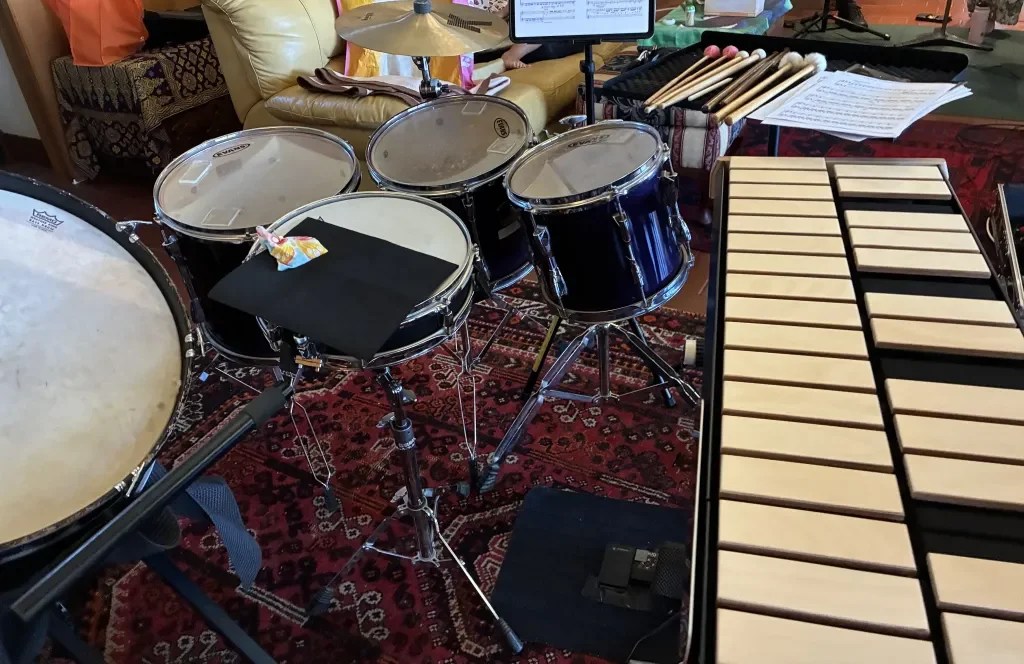
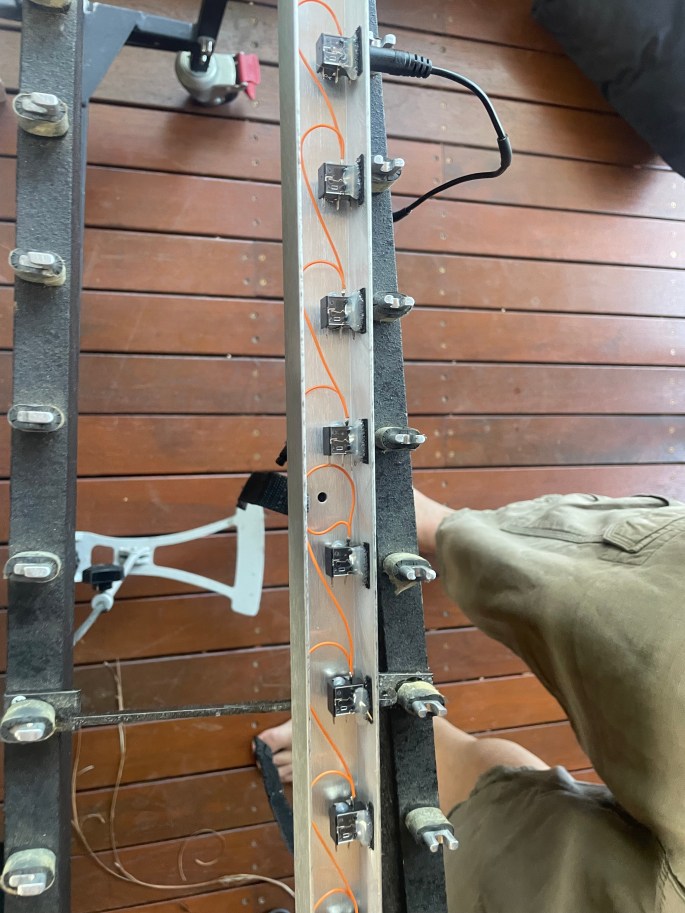
In December 2025, just before Tom was due to leave for Woodford Folk Festival, disaster struck: the vibraphone decided to slip over and completely knocked several sensors off the K&K pickup system. It was one of those heart‑stopping moments musicians know too well—especially with a major festival just around the corner.

Thankfully, Tom managed an emergency fix on the damaged bars sensors so I could still perform at the festival. The solution worked—but only just. The keys he repaired produced much louder sounds than the others, as the replacement sensors were physically larger. The imbalance was obvious and it was clear we’d need to fix things.

After Woodford, we decided the only real solution was to strip everything back and start again from scratch. So once more, the vibraphone was taken apart—every sensor removed—with the intention of rebuilding the system properly.

Around the same time, another issue surfaced. The vibraphone has heavy‑duty wheels that were fitted many years ago by Ross Dovey—excellent, solid wheels that have served me well. One of them had come off, so we planned to fix that on the same day as the sensor and tuning work.

Except the wheel had other plans.

Somewhere between loading, unloading, and rearranging gear, the wheel decided to play hide‑and‑seek. We searched everywhere, but it was nowhere to be found. No wheel. No explanation. Just gone.

At this point, help arrived in the best possible way. Jeff Paton—an exceptional percussionist and percussion teacher, and an old friend of Tom’s from their Bossfight days—advised for the project. Jeff also brought invaluable knowledge about tuning vibraphone bars, opening up another long‑standing issue I had quietly lived with for years.

It turned out the keys were quite sharp, which explained the tuning complaints I’d received in past chamber music projects. With Jeff’s guidance, we decided this was the right moment to address everything at once: new sensors, improved balance, and re‑tuning the bars themselves.

We finally set a date to do it all properly—with Tom, myself (Noz) and also Tom’s nephew Ethan, whose help and patience made a real difference throughout the day.

We worked all day—assembling, measuring, listening, adjusting, rethinking. And yet, despite everyone’s care and expertise, we didn’t succeed. The result still wasn’t right. The instrument told us, very clearly, that this approach wasn’t the solution. It might have been the piezo sensors. . . hard to tell once daylight had gone and Tom no longer had energy to troubleshoot circuitry.

So we stopped.

We’ll have to do this again—in a different way.

It’s frustrating, humbling, and exhausting. Making things right—truly right—can be incredibly hard. But this instrument matters, and so does the music it’s meant to carry. Sometimes progress looks like persistence rather than success.

To be continued.

Written by Noz

Exploring New Sonic Territory with the Zoom MS-70CDR, Revisiting a New Tool — Then and Now

(Draft originally written by Noz in February 2026)

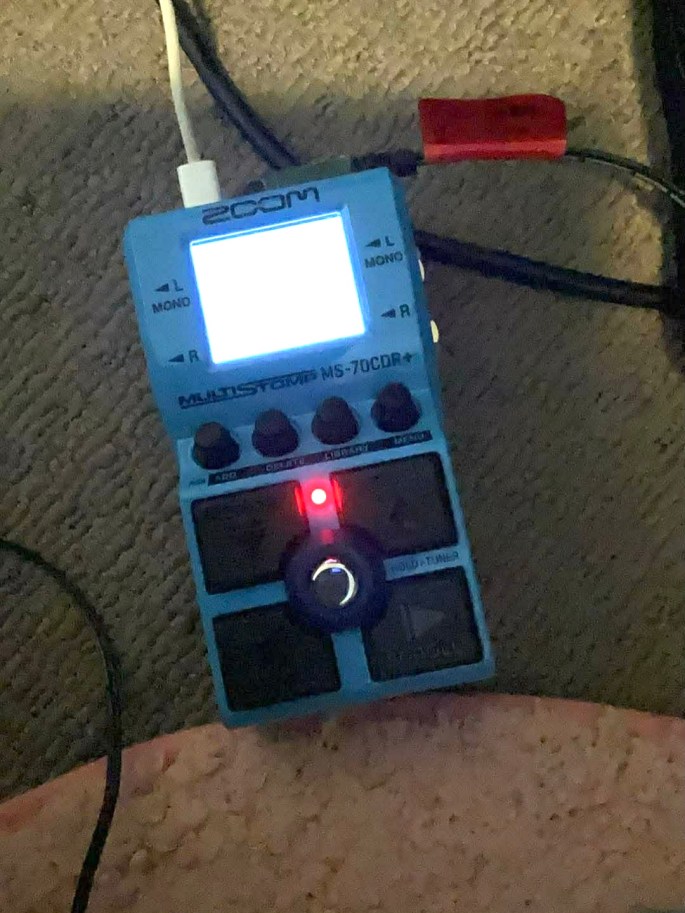
In February, just after the whirlwind of Shugorei’s Memories of Magic album launch party, I found myself diving into a new creative tool: the Zoom MS-70CDR multistomp pedal. This compact little box is packed with modulation, delay, and reverb effects—but what really caught my attention was its potential to create bit‑crusher textures on vibraphone for a new tune we were beginning to shape.

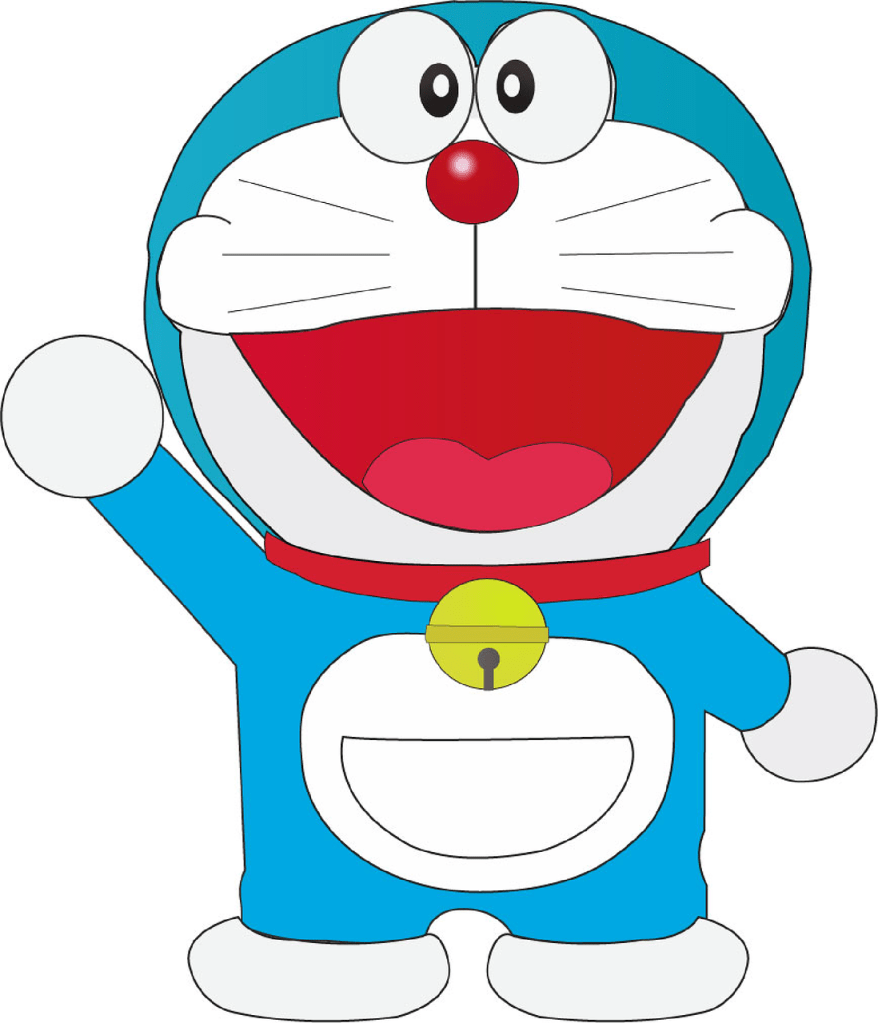
I quickly gave it a nickname: Doraemon. It’s blue, endlessly helpful, and surprisingly multitalented—always ready to produce exactly the right tool for the moment. The name felt fitting.

I had never used digital effects on a vibraphone, so for me it was a leap into unknown territory. But after chatting with some tech‑savvy friends at the launch, I discovered something interesting: you can load other Zoom effects into this unit, even ones not originally included. That completely changed how I saw the pedal—it suddenly felt far more expansive than its small footprint suggested (although, is footprint the right word? I use this pedal with my hands!).

I hadn’t tried customising it yet back then, but even knowing what was possible was thrilling. It felt like unlocking a hidden world of textures and sonic experiments. For a project like Shugorei—where magic, mystery, and innovation are always part of the journey—this seemed like the perfect next step.

This draft stayed quietly unfinished… until today.

Returning to it now (April 2026), the pedal itself has hit a snag. It’s still functioning sonically, but the screen no longer displays any visuals, making editing and navigation almost impossible. So today I took it back to the store to see how it goes from here.

It’s a reminder that creative tools have their own journeys—sometimes full of sparks and surprises, sometimes requiring patience, troubleshooting, and repair. Whether this particular pedal continues with us or not, the curiosity it sparked back in February is still very much alive.

And as we continue shaping the vibraphone’s voice into something otherworldly, I’ll share more as this soundscape evolves.

Written by Noz

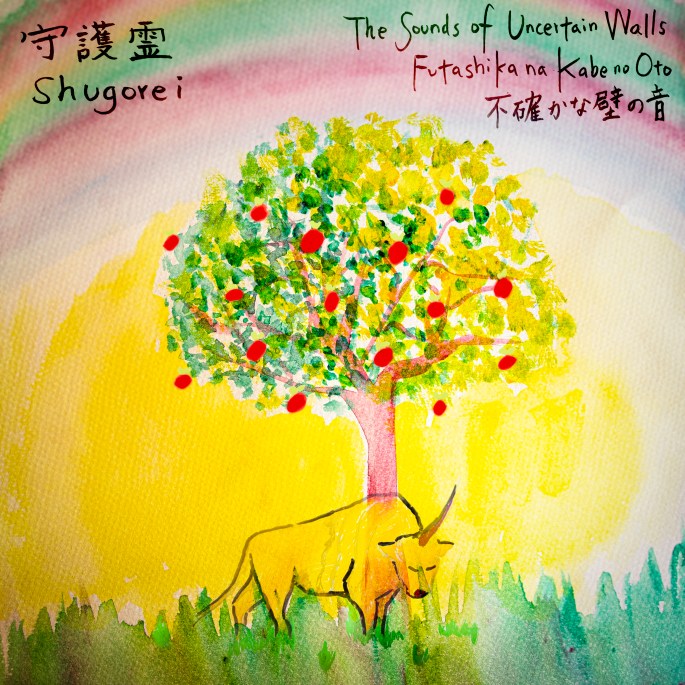
The Sounds of Uncertain Walls: a Surprise EP

Futashika na Kabe no Oto | 不確かな壁の音

サプライズEP

Shugorei is about an idea. The idea is that ordinary reality is linked to a shadow world. It’s a feeling we all have sometimes, at twilight, when we see a bluriness, or feel an energy buzzing in our fingertips. That dream feeling is as important to us as day-to-day life, and we elevate it, using music to bind our real world with the shadow world.

The City and Its Uncertain Walls is a novel by Haruki Murakami. A reviewer described Murakami’s book as, “an elegant fable that deftly weaves ordinary reality […] with a shadow world that is at once eerie and beautiful.” Because it is just as described, we found this novel resonated strongly with our work.

守護霊は、あるひとつの発想から生まれたプロジェクトです──日常の現実と影の世界がつながっているという発想です。夕暮れどき、景色が少しぼやけて見えたり、指先にエネルギーがざわめくように感じたりする──
誰もが時々抱くあの感覚。

その夢のような感覚は、日々の生活と同じくらい大切で、私たちは音楽を使って、現実の世界と影の世界を結びつけ、その感覚を高めています。

Others have called this variety of literature “urban magic.” Maybe our creations are its musical equivalent. We had recently begun a new set of improvising sessions in the studio, with the aim to make a new EP, when Nozomi mentioned The City and Its Uncertain Walls 街とその不確かな壁 to me. Soon after, I read the book myself (that is, the English translation by Philip Gabriel). I was stunned by how much this work felt to me like Shugorei’s music feels to me.

人によっては、この種の文学を「アーバン・マジック」と呼ぶこともあります。
もしかすると、私たちの創作は、その音楽版と言えるのかもしれません。

ちょうど新しい EP を作るために、スタジオで即興セッションを始めた頃、
ノゾミが私に『街とその不確かな壁』のことを話してくれました。
そのすぐ後、私は自分でもその本を読みました(フィリップ・ガブリエルによる英訳版です)。

読み終えたとき、私は驚きました。
この作品から感じたものが、私が守護霊の音楽から感じるものと
驚くほど深く響き合っていたからです。

We immediately oriented our studio sessions with this story – to try to capture its feel in our music. The result is, we hope, a depiction of an urban magic: entirely dreamy and enchanted, yet tethered to the here and now.

私たちはすぐに、スタジオでのセッションの方向性をこの物語に合わせました。
その世界の空気感を、音楽で捉えようとしたのです。

その結果生まれた作品は、私たちの願いとしては、
“アーバン・マジック” の一端を描き出すものになっているはずです──
完全に夢のようで、魔法めいていながら、
今ここにある現実へもしっかりと結びついた音楽として。

We launch Sounds for Uncertain Walls | Futashika na Kabe no Oto | 不確かな壁の音 as a nice surprise for our listeners. It’s not as action-packed as much of our music, remaining gentle and atmospheric for its whole duration. It is a brief resting place for you. Be invited in, slow down, be under a spell.

Sounds for Uncertain Walls|Futashika na Kabe no Oto|不確かな壁の音 を、
私たちはリスナーの皆さまへのちょっとしたサプライズとして発表します。

この曲は、私たちのこれまでの多くの音楽のようにアクション性が強いわけではなく、最初から最後まで、穏やかで大気的な雰囲気を保っています。

それは、あなたのための “小さな休息の場所” です。どうぞ足を踏み入れてください。
歩みをゆるめ、魔法にかけられるように身を委ねてみてください。

This very same music is being used in an installation in the Ipswich Art Gallery, called LightPlay. We’re confident our magical feelings will filter through for kids and parents who visit that installation too.

この同じ音楽は、Ipswich Art Gallery のインスタレーション “LightPlay” でも使用されています。

その展示を訪れる子どもたちやご家族にも、私たちの感じているあの魔法のような感覚が、きっとそっと伝わっていくはずだと信じています。

Tom and Noz together worked on the artwork, which is representative of Murakami’s beautiful story.

トムとノゾミはふたりでアートワークを手がけました。
その作品は、村上春樹の美しい物語を象徴するものになっています。


Memories of Stars: Music for Imaginary Anime.

It’s hard to say exactly why we took this approach. It’s probably because, for Shugorei, music and storytelling is inextricably intertwined. I (Tom) was commissioned by Australian Youth Orchestra to write a new symphonic work for the 2026 Summer Music Festival; they asked for it to be about anime. Needless to say, I was won over by this concept right from the start.

That is understating it, actually. All Shugorei’s music is a manifestation of our finding fantasy and magic in everyday life, and in fact our music goes well past mere recordings or concert events. With Nozomi’s Japanese background and equal enthusiasm for anime, I decided to invest fully in the possibility of music inspired by anime. But it was not immediately clear how one might stem from the other.

We decided that if the anime were imaginary – an animated TV show that doesn’t exist – it could inspire a symphonic work equally as well as anything else.

I like to relate this to Tolkien, who showed fiction writers that the intricate building of a world which surrounds a central narrative serves to make that narrative all the more compelling and real. But in this case, rather than a narrative, there is a symphonic piece, and the world-building has served that central element. Writing syphonic music to fantasy themes is highly rewarding and not new, but I’m delighted to give it a shot with anime, and perhaps this prceise thing has never been done before.

Noz and I created a constellation of elements which we hope might each be explored in their own right, and each have helped underpin the meaning of the symphonic music. These include:

  • The imaginary TV show’s synopsis (I’m tantalised by the notion of a fiction within a fiction);
  • A (real) J-pop-style production of the show’s opening theme (currently not publicly released), including song lyrics which relate to the synopsis;
  • Both these elements are presented in English and Japanese;
  • The first several chapters of a novelisation (we will publish this gradually);
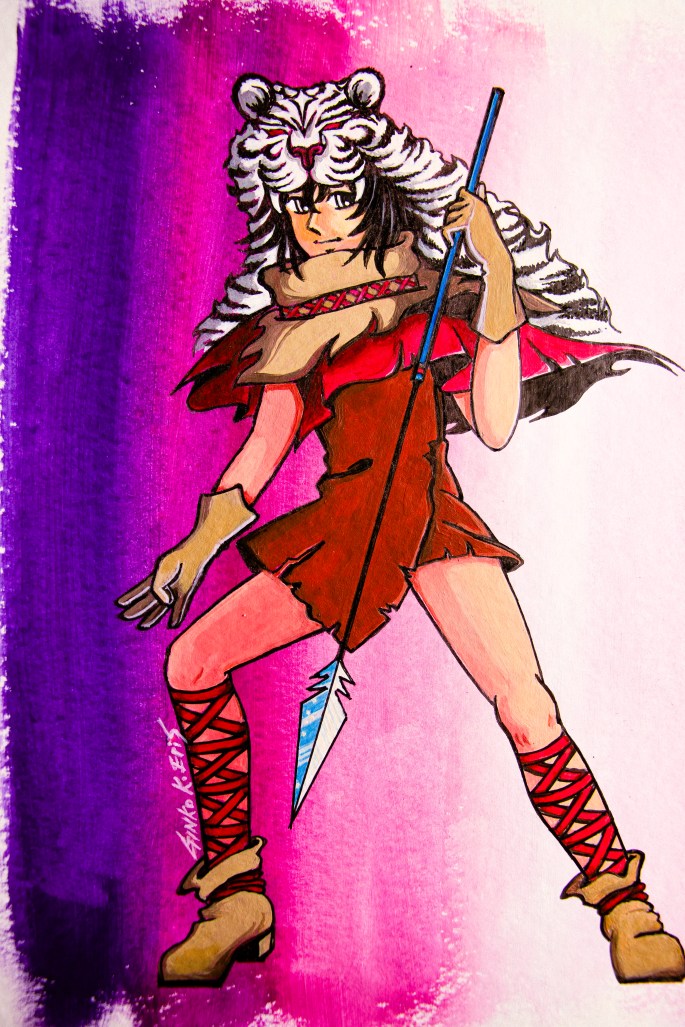
  • And, most impressively, concept artwork by the inspirational Ginko Kiyotani Eris.

It is that last element which we are delighted to feature here on this blog. Her carefully conceived and crafted illustrations will be featured one-by-one, and we hope you can enjoy some of the fine detail in these works.

Ginko’s work reminds us of anime of the late 70s or early 80s – I think of 宇宙戦艦ヤマト (Space Battleship Yamato),

. . . マッハGoGoGoゴーゴーゴ (Speed Racer),

. . . as well as 科学忍者隊ガッチャマン (Science Ninja Team Gatchaman).

That tradition is clearly observable in Ginko’s work, who would have been as enthrawled by the Japanese manga and anime of the 1970s and 1980s as many Australian kids of the time, like me.

Ginko’s technique involves creating a series of sketches, so as well as demonstrating the final products, we can show you her process. Here is an early sketch for one of the concepts. This image is of one of the story’s two central characters: Raikō.

It’s amazing to see the progress of these images; you will notice that in the following image, the black wolf will improve significantly between this and the final version; Ginko herself seems to note this, indicating “learn more” on the sketch!

Memories of Stars Synopsis:

We created this overview in both Japanese and English (and it went on to serve as the foundation for the J-pop theme’s lyrics).

Since the dawn of time, two primordial forces have been reborn again and again, destined to circle each other through the ages. One is a boy blazing with incandescent energy, lightning dancing across his skin. The other is a girl cloaked in the velvet stillness of night, her power deep and quiet like the stars. Unaware of their shared past, they cross paths in their latest lives and instinctively give chase—racing through the vastness of space at breathtaking speed, each believing the other might be their enemy.

The boy can summon his true power by transforming into a magnificent lightning tiger, a creature of raw speed and brilliance. The girl, in turn, can become a graceful black wolf, a shadow moving effortlessly through darkness. When their energies finally collide, something extraordinary happens: rather than destroying each other, they merge into a single, awe-inspiring dragon, a fusion of tiger and wolf, light and darkness. Together in this combined form, they discover they can change the world—solving crises, protecting life, and unraveling mysteries that span centuries. Their adventures lead them not only across the stars, but deep into the hidden layers of their own history, as they uncover the truth of their intertwined destinies and the roles they are meant to play on Earth.


太古の昔より、二つの原初の力は幾度となく生まれ変わり、永劫の時をかけて互いを巡り続けてきた。
一方は、肌の上を稲妻が踊るように、まばゆい光をまとった少年。
もう一方は、夜の帳に包まれ、星々のように深く静かな力を秘めた少女。
互いの記憶を失ったまま、現世で再び出会った二人は、本能に突き動かされるように空へと駆け出し、宇宙の果てへと疾走する。互いを宿敵と信じ、眩い閃光と漆黒の影が、息を呑むような速度で交錯する。

少年は、真の力を解き放つことで、雷鳴をまとった壮麗な“雷虎”へと姿を変える。
少女もまた、闇を自在に駆ける優美な“黒狼”へと変身することができる。
やがて二人の力が激しくぶつかり合うと、想像を超える奇跡が起きる。
破壊ではなく、融合——。光と闇、虎と狼、そのすべてが一体となり、畏怖と美を兼ね備えた“竜”が誕生するのだ。

融合したその姿で、二人は自らが世界を変え得る存在であることを知る。
災厄を鎮め、命を守り、時代を超える謎を解き明かしていく。
彼らの冒険は星々を巡る旅となり、同時に、自らの魂の奥深くに刻まれた記憶をたどる旅でもある。
数多の転生の果てに結ばれた宿命——二人は、地上における真の使命と向き合っていく。

The lyrics to the opening theme:

Tooi mukashi yori

From a distant past

Hikari wa hashiru yo

Light runs through (him / the air)

Yoru o matou kage

A shadow cloaked in night

Shirazu ima sora e

Unaware, now they race to the sky

Inazuma ga tomoru

Lightning lights within

Tsuki no hitomi yobu

Moon-like eyes call

Unmei ga hiku yo

Fate pulls them close

Raikō yo hoero yo

Raikō — roar!

Kokurō yo sakeyo

Kokurō — rend the night!

Butsukaru setsuna ni

At the instant they collide

Ima ryū to nare

Now become a dragon

Ikazuchi yo, kuro yo, hibike yo

Thunder, dark — resound


Shizuka na tokoro de

In a quiet place,

Kokoro wa mada moeru

My heart still burns within,

Kako mo mirai mo

Past and future both

Hitotsu ni tokeru

Melt into one again.

Kurayami o koe

Beyond the darkness,

Hikari no naka o

Through the light I go,

Toki o koenagara

Crossing time itself,

Ima tobu yo Now I take flight.

Ginko used the synopsis and the subsequent song lyrics as inspiration for her drafts:

And so, it was our great pleasure to witness Ginko’s artwork resolve into fully detailed, fully coloured renditions of concept art for Memories of Stars (click on the images for enhanced detail).

As you enjoy the artwork, note the details. For example, the transparency of the dragon’s wings and its subtle allusion to the Yin and Yang, whose symbolism within our story Ginko easily picked up on.

Ginko has been a fashion illustrator, and this comes through in her anime style. She alone decided what our characters should wear. Here are Kokurō and Raikō, outfitted by Ginko, based on the few cues she took from our writing.

You might ask, quite fairly, how does all this turn into a symphonic work? The answer is a personal one. I write music not merely to make pretty sounds. For me, music is a manifestation of what it means to be a human being. On occasion, this means breathing, motion and physiology (take, for instance, The Sounds of Chow Gar). In this case, it has been about story telling, which is another basic part of what it means to be a human. As me and Noz worked on creating the world, a story emerged (indeed, we will post about this story in future). The words for an “opening theme” (my “fiction within a fiction”) allowed me to compose that theme. Its melody I have taken and it has become the core of the symphonic work – as if I created a symphonic arrangement of a popular anime theme – yet that anime never existed. It’s slightly bittersweet: all of our endeavours in life are, in the end, perhaps, a fantasy. And yet, fantasy, imagination, story-telling and wonder give our lives deep and joyous meaning.